Symbolism Of White Moth: Spiritual Meaning And Spirit Animal
Have you ever come across a white moth and pondered if it carried a message just for you? These apparently modest insects are marinated in symbolism, often representing change, intuition, and spiritual growth.
By diving into the world of symbolism of white moths, you’ll uncover intuitions that can enrich your understanding of your own life experiences and dreams. Join us as we untangle the spiritual significance of these engrossing creatures and discover what messages they might hold for you.
Symbolism Of White Moth And Spiritual Meaning
The white moth, often seen flitting in the half light, personifies great spiritual symbolism that goes beyond mere aesthetics. Its exquisite wings murmur of metamorphosis and rebirth, inviting us to welcome change as a pathway to growth.
This dainty creature is complicatedly linked to femininity, representing the supporting qualities within us that protect purity and innocence in the middle of life’s chaos. When a white moth finesses your presence, it may serve as a gentle reminder to reconnect with your inner self and explore the deepness of your psychological and emotional scenery.
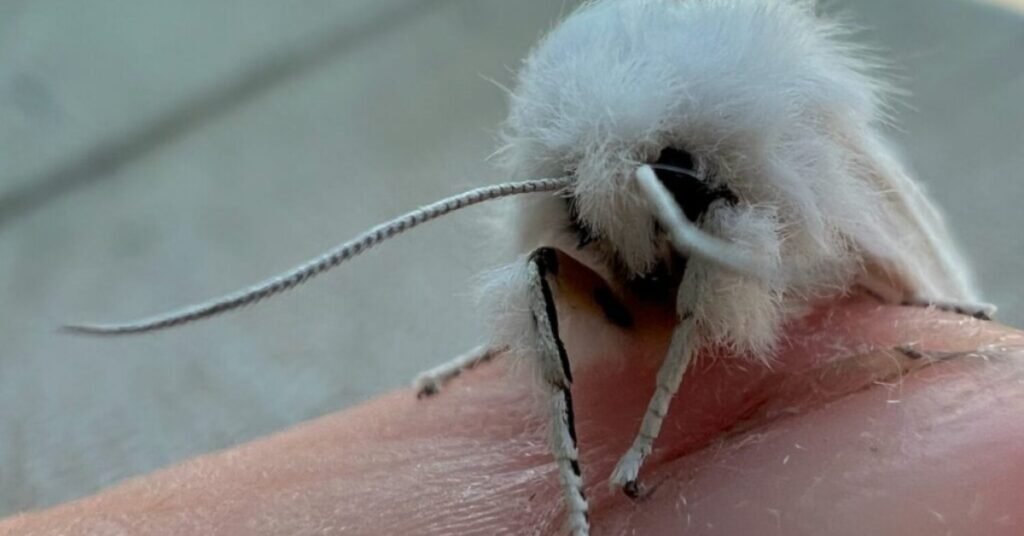
The white moth can be contemplated as a call from our forebearers and spirit guides, persuading us to seek radiance and confidence during challenging times. Its appearance often signifies the closeness of a soul mate or the encouragement to go after your dreams with passion and ardour.
The freedom it incorporates inspires us to break free from societal restrictions and embrace our genuine selves. This captivating and dazzling creature also carries the weight of a death’s omen, reminding us that endings are merely overtures to new beginnings, strengthening the cycle of life’s beauty and attraction. Through the lens of the white moth, we are invited to mirror on our journeys, recognizing the interaction between loss and renewal that shapes our existence.
What Are White Moths?
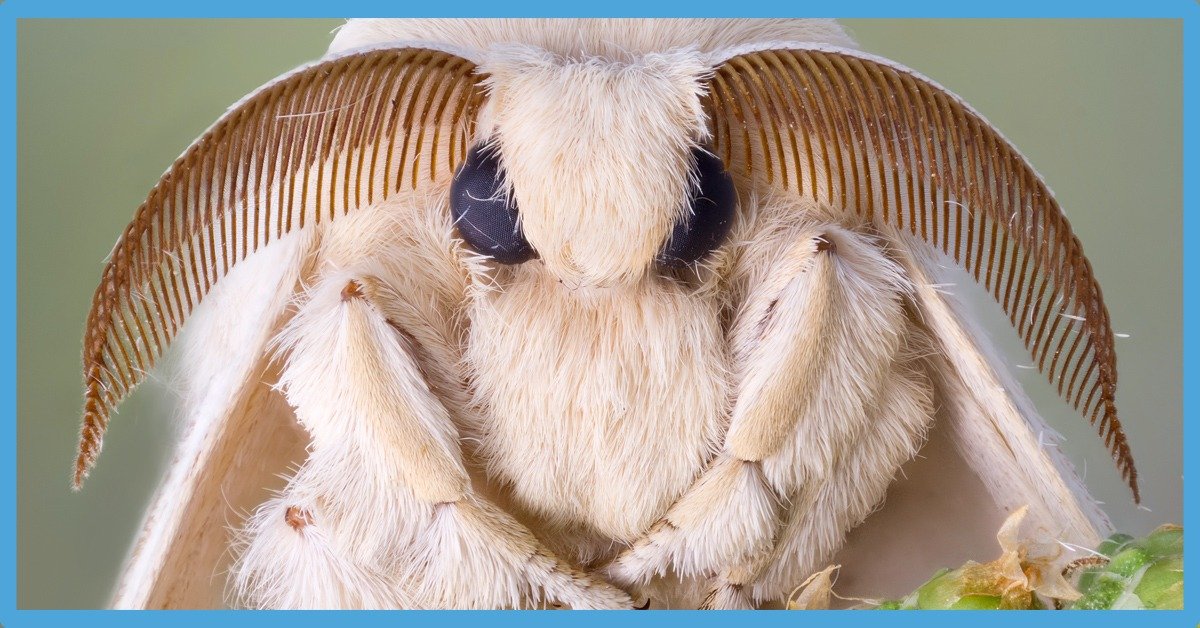
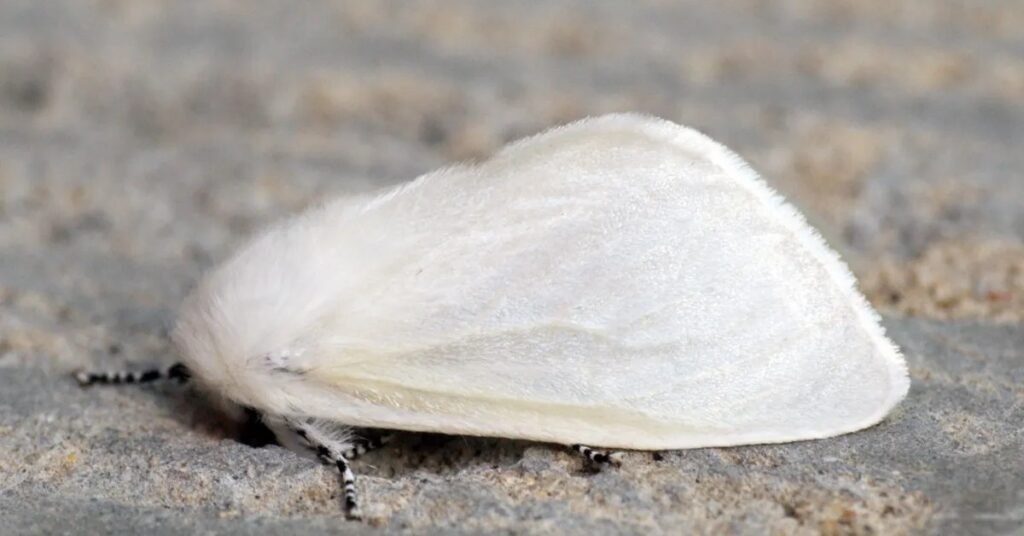
White moths, often missed in the realm of entomology, are engrossing creatures that personify a delicate beauty and ecological significance. These nighttime insects belong to numerous families, with some species showing noticeable patterns and differences in shade that can range from pure snow-white to soft cream.
Their pale pigmentation serves as both concealment and a warning; while some species are innocuous, others may carry toxins that put off predators. Observing white moths fluttering through gardens or resting on tree bark can summon a sense of peace, yet their role in the ecosystem is anything but calm.
Beyond their aesthetic appeal, white moths play a pivotal role in pollination, contributing to the health of a great many plant species. Many night-blooming flowers depend on these gentle pollinators to ease reproduction during dusk and dawn when they are most active.
White moths serve as essential food sources for birds and other wildlife, creating a wavelet effect within the food web. As climate change changes habitats and translocating patterns, understanding the life cycle and behaviors of these moths can provide intuition into wider environmental shifts. By appreciating the understated discernment of white moths, we can encourage a deeper connection with nature and recognize the complex relationships that comfort our ecosystems.
White Moth Symbolism In Different Cultures
In Chinese culture, the white moth is often seen as a symbol of change and alteration and rebirth, closely linked to the notion of the soul. The exquisite nature of the moth summons the idea of spiritual journeys, where it is believed that the souls of the dead may visit their loved ones as white moths, offering comfort and guidance. This connection to the afterlife reverberates deeply with the high esteem for ancestors widespread in many Asian traditions.
Christianity views white moths through a lens of purity and restoration. Their transitory beauty is often associated with the soul’s journey toward heaven, serving as a reminder of the fragility of life and the hope of eternal life.
In Native American culture, the white moth symbolizes metamorphosis and versatility, reflecting a deep respect for nature’s cycles and the interrelatedness of all living beings. In Celtic culture, these creatures are often seen as messengers, spanning the gap between the physical and spiritual realms, strengthening the belief that nature communicates with us through its multitude forms.
Digging into Greek culture, white moths are occasionally linked to dreams and the subconscious, resonating themes found in art and literature where they serve as analogies for transient moments and hidden wishes. Norse mythology also embodies white moths as symbols of fate, representing the threads of destiny entwined by the Norns. Across these various cultures, the white moth emerges as a heartfelt symbol of change, spirituality, and connection — an undergoing reminder of our shared human experience.
White Moth Spirit Animal
The white moth spirit animal personifies alteration and the beauty of transience. Often associated with the moon’s gentle glow, this delicate creature encourages brooding and emotional healing. When the white moth agitates into your life, it serves as a reminder to welcome change and release old fashioned beliefs that no longer serve your journey. Its exquisite presence invites you to explore the shadows within yourself, lighting hidden fears and desires that can lead to intense self-discovery.
The white moth spiritual meaning marks a connection to the spiritual realm, acting as a bridge between our earthly existence and higher awareness. This spirit animal encourages wakefulness and the practice of being present in each moment, prompting you to appreciate the fleeting nature of life.
By personifying the quintessence of the white moth, you are invited to plough persistence and trust in the process of alteration, knowing that even in darkness, light is always within reach. Embrace the lessons it brings, and let its sagacity guide you toward a more genuine and illuminated path.
White Moth Totem Animal
The white moth totem animal symbolizes transformation and the dainty balance between light and darkness. Unlike its more ostentatious equivalents, the white moth embodies delicacy and grace, often jogging our memories to cuddle our inner selves and the quiet whispers of instinct.
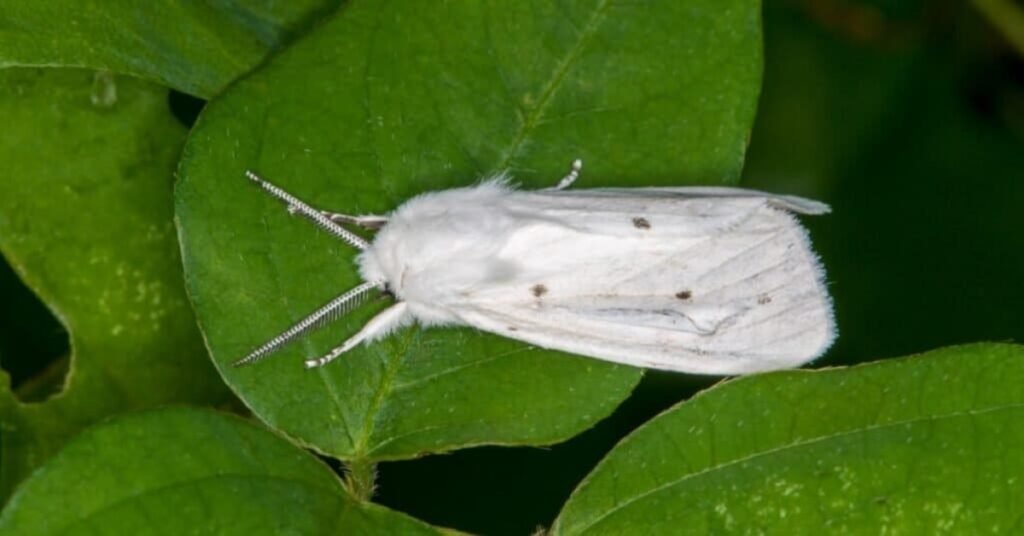
When this totem appears in your life, it may be a sign that you are on the edge of substantial personal change, urging you to let go of old patterns and come out into a new stage of existence. In many cultures, the white moth is associated with spiritual enlightenment and the exploration of the unknown.
Its nocturnal nature invites us to delve into our subconscious, illuminating hidden fears and desires that often lurk in the shadows. This totem encourages a deep introspection, challenging us to confront our vulnerabilities while simultaneously guiding us toward resilience. By embracing the lessons of the white moth, we can learn to navigate life’s transitions with grace, transforming our challenges into opportunities for growth and self-discovery
Difference Between Symbolism Of White Moth And Dead Owl Symbolism
- The dead owl symbolism can evoke profound examination, as this majestic creature often represents wisdom and transition. In many cultures, owls are seen as heralds of change, embodying the mysteries of the night and the unknown.
- The white moth, often seen flitting in the half light, personifies great spiritual symbolism that goes beyond mere aesthetics. Its exquisite wings murmur of metamorphosis and rebirth, inviting us to welcome change as a pathway to growth.
Conclusion
The symbolism of the white moth encompasses themes of transformation, purity, and spiritual awakening. As a spirit animal, the white moth encourages us to embrace change and seek enlightenment in our lives. Its presence serves as a reminder that even in darkness, there is always a light guiding us towards growth and self-discovery.
By paying attention to the messages conveyed by this delicate creature, we can deepen our connection to our spiritual selves and navigate life’s challenges with grace. Embrace the white moth’s energy and allow it to inspire your journey towards inner harmony.
FAQs
What does a moth symbolize spiritually?
Moths are often seen as powerful spiritual symbols, representing transformation, intuition, and the search for light. Much like their close relatives, butterflies, moths undergo a significant metamorphosis in their life cycle, which can symbolize personal growth and change.